
 By
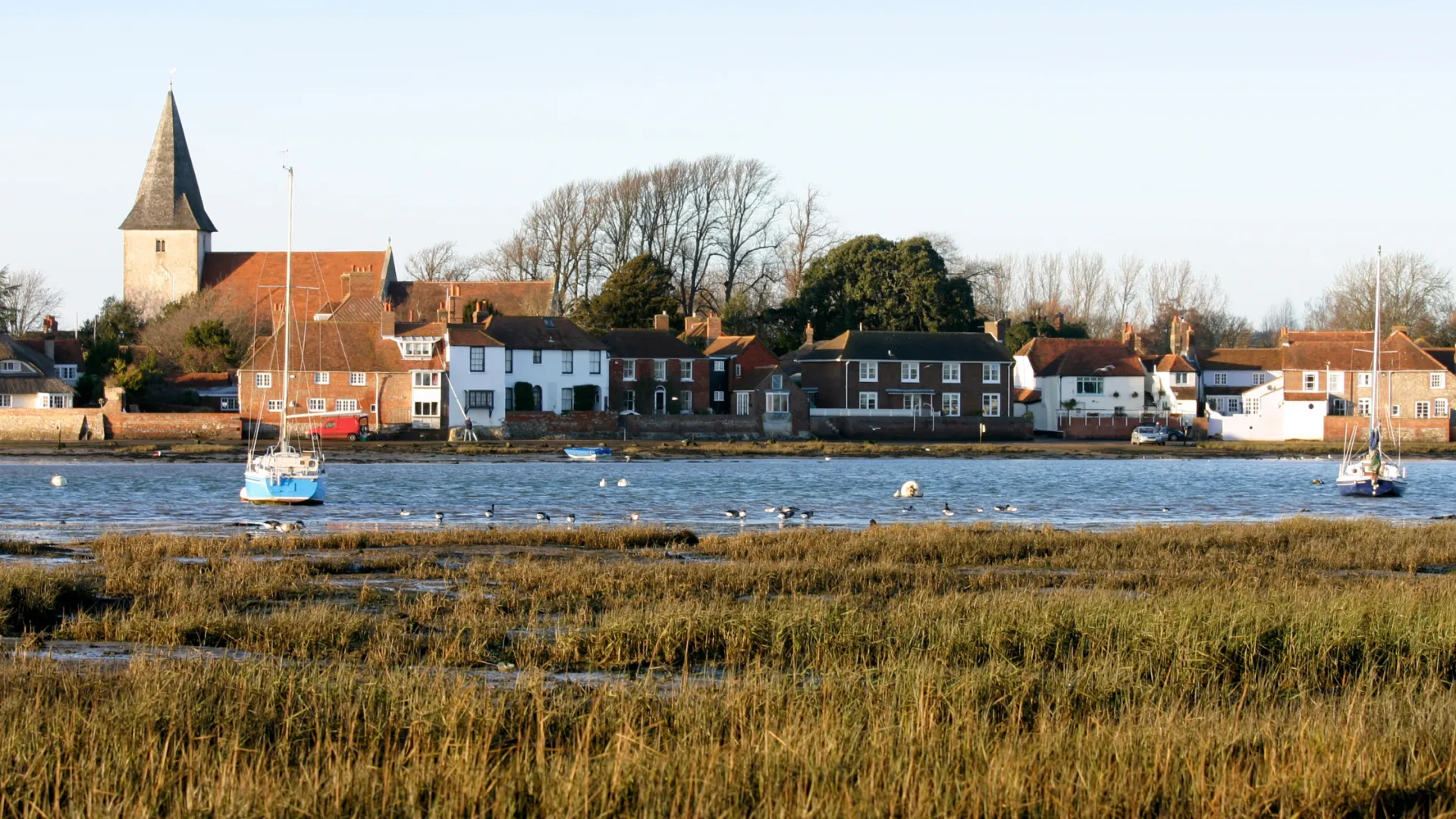
By Hill Head, Lee on the Solent, Gosport Marina, The Witterings, Bosham, Chichester Harbour, Aldwick, Bognor and Elmer Sands. These are just some of the fantastic coastal areas White & Brooks covers. Home movers head to these locations for the dramatic scenery and salty, ozone air but it takes someone special to own a coastal home.
Here are four considerations you can discuss with White & Brooks as you embark on your waterside odyssey.
- Opt for a full building survey
If a property you’re interested in is beachfront or perched on top of a cliff, we recommend commissioning a full buildings survey. This will include an in-depth foundation study, as well as identifying any sea damage to structural elements and spotting signs of damp caused by water ingress.
- Choose specialist exterior treatments
Many of us find beauty in the bracing – sometimes brutal - South Coast climate but exposed exteriors can take a battering. Spray coming off the sea, driving winds that whip up sand and shingle, and ultraviolet damage from the sun’s rays mean normal paint won’t cut it.
If not treated properly, seaside exteriors can be prone to rust, rot, erosion, damp, and flaky paint and plasterwork. Preparation is key, so damage should be fixed, render repaired with waterproof masonry filler (try Toupret or Beissier Prestonett’s products) and salt residue removed from the surface.
Although Murfill Waterproofing and Johnstone’s Stormshield Pliolite-Based Masonry Finish are highly recommended, we suggest consulting with a specialist decorating store, such as Brewers, to obtain the best primer and paint for a coastal property’s exterior.
- Plant for coastal conditions
Many coastal gardens have their very own microclimates and not every shrub or plant will survive the conditions. High winds, salty air, varying temperatures and the type of soil should all be taken into consideration.
Planting trees and shrubs, such as pittosporum tobira, hornbeam and hawthorn, will provide a wind-break for more tender plants. With some shelter, it’s possible to grow delicately flowering perennials, such as eryngiums, echinops and perovskia.
Plants with the word ‘sea’ in their name are a good bet – sea buckthorn, sea kale, sea holly and sea thrift should all thrive – while many types of ornamental grasses, like foxtail barley, will have tough but flexible stems that can withstand the most vicious winter storms.
Always dreamt of a coastal garden with palm trees? Opt for chamearops, trachycarpus fortunei, phoenix canariensis or jubaea chilensis. Be prepared, however, to protect young palms with fleece during cold snaps and knock off any snow that settles on them in winter.
- Seek suitable insurance
Sometimes the trade-off of owning a coastal home with panoramic sea views and a beach at the end of the garden is the need for specialist buildings insurance. Owners are recommended to speak with a broker who has knowledge of policies for coastal, waterside or cliff-top homes. Check whether the policy covers, coastal and cliff erosion, landslides and storm damage.
If you’re dreaming of waking up to the sound of seagulls, would like to take more beach walks or want to sail into the future by being closer to the sea, contact White & Brooks. Our branches in Bognor Regis, Chichester and Gosport cover large swathes of the South Coast, incorporating beach resorts, harbours and marinas.


Share this with
Email
Facebook
Messenger
X
Pinterest
LinkedIn
Copy this link